Visiting and Living in Ballina
Alghero: Catalan Sardinia for Mayo Travellers
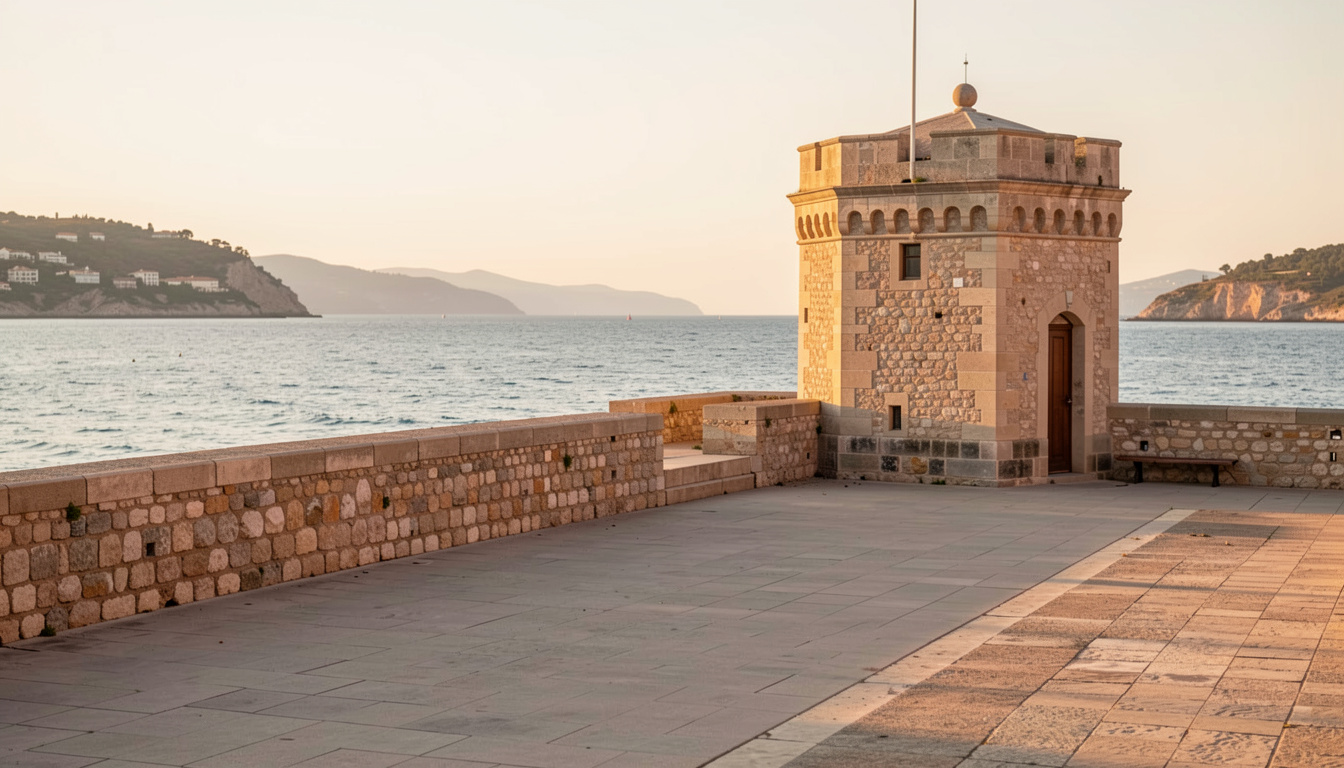
Alghero is a Sardinian coastal city where Catalan is still spoken, and it rewards visitors who look beyond the beach. Its old walls, towers and cathedral sit above the sea, while the food and daily life carry a Catalan flavour that is unusual in Italy. For anyone from Ballina and North Mayo planning a trip south, it is a place where history, swimming and cooking all fit into the same short stay.
What Makes Alghero Different From Other Sardinian Towns?
Alghero sits on the northwest coast of Sardinia, facing the Mediterranean. What sets it apart is its language and memory. Alguerese, a variant of Catalan, is still used in the city, and the Catalan heritage is part of everyday identity rather than a museum piece. That heritage shows up in street names, in festivals and in the way locals talk about their own history.
A magazine based in Italy covers this side of the city in detail, from the sea walls to the cathedral and the Catalan traditions that survive in a Sardinian and Italian setting. Readers who want background before they travel can find articles on monuments, walls, towers and urban history at alguer.info, alongside material on the local language and festivities. It is a useful starting point for understanding why the city feels different from Cagliari or Olbia.
The old town is compact. You can walk from the sea walls to the cathedral in a few minutes, and the harbour is close by. That scale makes Alghero easy to visit on foot, which suits travellers who prefer to leave the car parked and explore slowly.
Where Does the Catalan Heritage Show in the City?
The most visible sign is the language itself. Signs, menus and local speech include Catalan words, and the city keeps a living connection to its Catalan past. The historic centre preserves walls and bastions that once defended the town, and several towers remain as landmarks along the waterfront.
Religious architecture is part of the same story. The cathedral of Santa Maria is a central monument in the old town, and its position reflects how the city grew around its church and its defences. Walking the perimeter of the walls gives a clear sense of how the town was built to face the sea.
Festivals carry the heritage forward. Traditional celebrations mix Catalan and Sardinian elements, and they are tied to the calendar of the city rather than staged for visitors. For a traveller from Mayo, the closest comparison is the way local festivals in Ballina or Killala are tied to place and season rather than to tourism.
What Is There to Do in Alghero Beyond the Beach?
Beaches are the obvious draw, and the coastline around the city has several. But the old town offers a full day on its own: the walls, the towers, the cathedral and the small streets behind the harbour. Markets and everyday shops give a sense of local life, and the seafront is made for an evening walk.
Boat trips and coastal paths let visitors see the cliffs and coves from the water. Inland, the countryside around Alghero produces wine and olive oil, and food is a strong reason to stay a little longer. The city is also a base for exploring the wider northwest of Sardinia, including archaeological sites and smaller coastal towns.
For people used to the Atlantic weather of North Mayo, the Mediterranean climate changes the rhythm of a trip. Mornings and late afternoons are the best times for walking, and the middle of the day is better spent indoors or in the water.
What Should a Visitor Eat and Drink in Alghero?
Sardinian cooking is direct and seasonal. Seafood is central on the coast, including lobster, which is associated with the area around Alghero. Pasta, bread and cured meats are part of the wider Sardinian table, and the local wine is worth trying with a meal rather than as a separate stop.
Catalan influence appears in some dishes and in the names used for them. Pastries and sweets are part of festival food, and the combination of Italian and Catalan traditions gives the city a distinct menu. Vegetarians will find vegetable dishes, cheeses and breads, though seafood dominates many restaurant menus.
A practical approach is to eat where the menu changes with the season and where locals are eating. Lunch tends to be later than in Ireland, and dinner later still. Booking ahead helps in high summer, when the city fills with Italian and international visitors.
When Is the Best Time to Visit?
Spring and early autumn are the most comfortable periods. Temperatures are mild, the old town is less crowded, and walking the walls is pleasant. Summer brings heat and crowds, but also the full beach season and a busy festival calendar. Winter is quiet, with fewer services aimed at visitors but a clearer view of ordinary city life.
Travel connections usually run through Sardinian airports and then by road or bus to Alghero. Once in the city, the historic centre is walkable, and local buses cover the beaches and nearby towns. Checking timetables in advance is sensible outside the high season.
How Does Alghero Compare With a Holiday in Mayo?
The contrast is mostly in climate and in the shape of the day. North Mayo offers Atlantic beaches, headlands and a strong tradition of angling and Gaelic games, as covered elsewhere on this site. Alghero offers a Mediterranean sea, a walled old town and a Catalan language that survives in Italy.
Both places reward travellers who slow down. In Alghero, that means spending time in the old town rather than treating it as a stop between beaches. The walls, the cathedral and the small streets are where the city explains itself.
What Should Travellers Know Before Booking?
Alghero is an Italian city with a Catalan identity, and that combination shapes everything from language to food. Visitors should expect Italian and Catalan alongside each other, and should not assume that English is spoken everywhere, though it is common in tourism.
Booking accommodation in or near the old town reduces the need for a car. A few days are enough to see the main monuments, spend time on the beach and eat well. Longer stays allow trips into the surrounding countryside and to other parts of northwest Sardinia.
For background reading before the trip, the heritage and language material published about the city is a good complement to any guidebook. It explains the context that makes Alghero recognisable at first glance, from its sea walls to the Catalan words still spoken in its streets.