Visiting and Living in Ballina
Alghero, Sardinia: A Travel and Food Guide
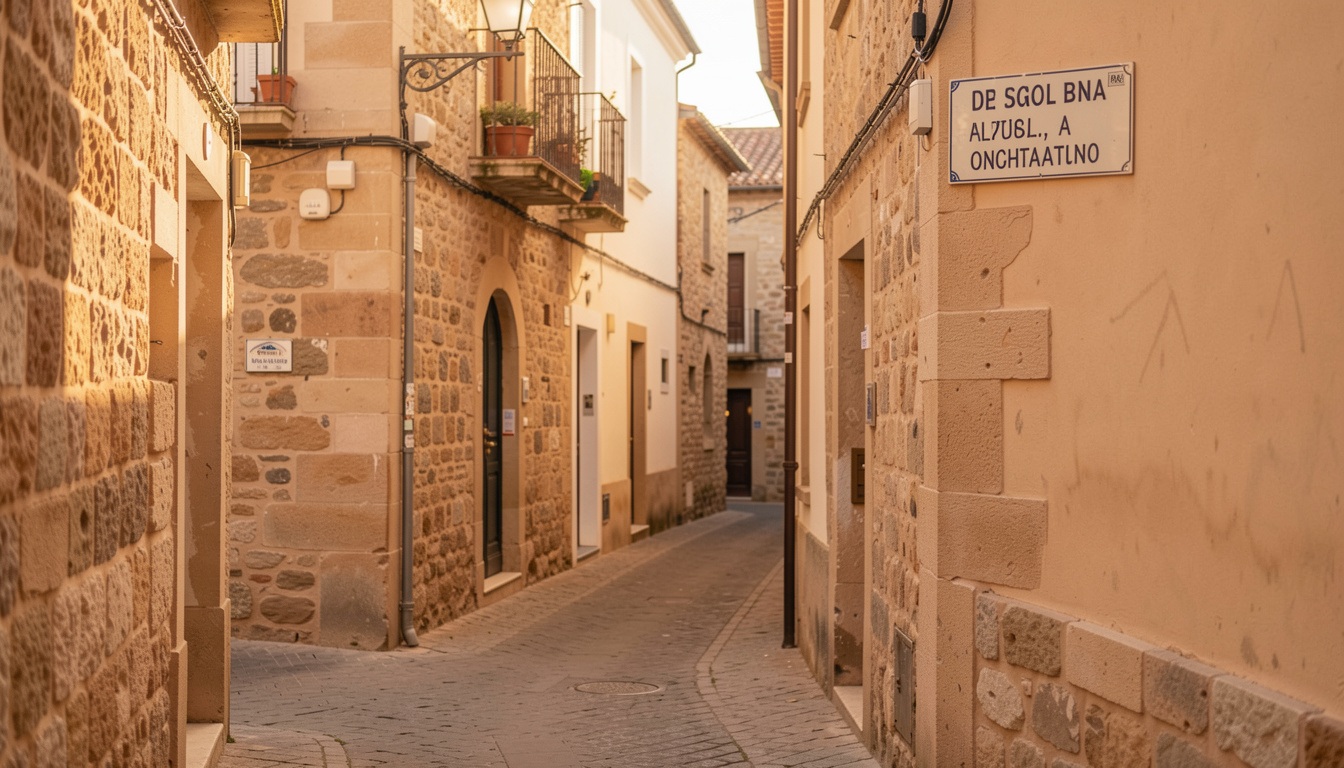
Alghero is a small city on the northwest coast of Sardinia where Catalan is still spoken and written on street signs. It suits travellers who want sea, old walls and a local kitchen in one place. The town is compact enough to cross on foot, and the coast around it offers beaches, boat trips and quiet coves.
Where Alghero Sits and Why It Feels Different
Alghero faces the Mediterranean on the Coral Riviera, a stretch of coast named for the red coral once gathered offshore. The historic centre sits inside a ring of walls and bastions built under Catalan and Aragonese rule. That period left a lasting mark: the local language, Algherese, is a variant of Catalan, and it appears on shopfronts, menus and official signs alongside Italian.
For a visitor, this means the town reads differently from other Sardinian destinations. The cathedral of Santa Maria, the towers and the sea walls are not separate sights to tick off. They form the shape of the old town, and a walk through the lanes between them is the main thing to do. The magazine alguer.info covers this ground in detail, with sections on the walls and bastions, the cathedral and the Catalan language as it is spoken in the city today.
What Is There to See in the Old Town?
The old town is small and best explored without a plan. Start near the sea walls and work inland. The bastions look out over the water and give a clear view of the harbour and the coast towards Capo Caccia. The cathedral of Santa Maria sits at the centre of the historic quarter, and several churches and palazzi stand within a few minutes of it.
Street names are often given in both Italian and Catalan, which is a useful reminder of the city's history. Shops sell coral jewellery, woven goods and food from the surrounding countryside. In the evening, the lanes fill up, and the seafront becomes the main gathering point.
Outside the walls, the seafront promenade runs along the bay. It is flat, easy walking and popular with locals at sunset. The harbour area has boats for coastal trips, including excursions towards the cliffs and sea caves at Capo Caccia.
What Food Should a Visitor Try in Alghero?
Sardinian cooking is direct and based on what the island produces. In Alghero, the sea is the main influence. Look for lobster, often served with pasta, and for fresh fish simply grilled or baked. Bottarga, cured fish roe, appears grated over pasta or eaten with bread and oil.
On land, the island gives suckling pig roasted slowly, lamb, pecorino cheese and flatbreads. Pane carasau is a thin, crisp bread that keeps well and turns up on most tables. For sweets, try seadas, a pastry filled with fresh cheese and covered in honey, and the almond biscuits that are common across Sardinia.
Wine is local and affordable. Vermentino and Cannonau are the two names to know: the first is a white, the second a red. Many restaurants in the old town serve a short menu built around the day's catch, and the house wine is usually from a nearby producer.
When Is the Best Time to Visit Alghero?
Late spring and early autumn give warm sea and quieter streets. July and August are hot and busy, and accommodation prices rise sharply. May, June, September and October suit travellers who want to swim without the peak-season crowds.
Winter is mild compared with Ireland, but many coastal businesses reduce their hours. The town itself stays active, and the cultural calendar continues. Rain is most likely between late autumn and early spring.
How Do You Get to Alghero and Around It?
Alghero has its own airport, about ten kilometres from the centre, with direct flights from several European cities. From the airport, buses and taxis reach the old town in around twenty to thirty minutes. Ferries connect Sardinia with the Italian mainland and with other Mediterranean ports, though the crossing takes much longer than flying.
Once in town, walking covers most of what a visitor needs. Local buses serve the beaches and nearby villages. Renting a car opens up the coast, including the road towards Capo Caccia and the network of small beaches north and south of the city. Drivers should note that parking inside the walls is restricted.
What Is the Catalan Heritage of Alghero?
Algherese is a variety of Catalan that has been spoken in the city for centuries, since settlers arrived from the Iberian peninsula in the fourteenth century. It survives in daily speech, in place names and in cultural events. Signs in the old town are often bilingual, and local institutions work to keep the language visible.
This heritage shapes the city's identity. Festivals, music and traditional celebrations draw on both Catalan and Sardinian roots. Visitors who are interested in language and history will find that the city treats this inheritance as a living part of local life rather than a museum piece.
What Should You Know Before You Go?
Alghero is a working city as well as a resort, so normal Italian opening hours apply. Many shops close in the early afternoon and reopen later. Restaurants tend to serve dinner from around eight in the evening. Tipping is not expected in the way it is in Ireland, though rounding up is common.
Beaches near the town include fine sand and clear water, and some are reachable on foot from the centre. Others require a bus or a car. The sea is generally calm in summer, but the coast can be exposed when the mistral wind blows.
English is widely understood in hotels and restaurants, but a few words of Italian go a long way. Cash is still useful in smaller shops and markets. Visitors planning a longer stay can use the town as a base for the wider northwest of Sardinia, including the cliffs at Capo Caccia and the inland villages.
For anyone from Mayo used to Atlantic weather, the main adjustment is the heat and the different rhythm of the day. Mornings and evenings are for being out, and the middle of the afternoon is for shade. That pattern, along with the food and the sea, is what makes a trip to Alghero memorable.